
Your toothbrush is one of the most important tools in your daily oral hygiene routine, but it’s also one of the easiest to overlook. Many patients don’t realize that using an old or worn-out toothbrush can reduce cleaning effectiveness and impact overall oral health.
At Jay Zimmerman Dentistry, we encourage patients to pay attention not just to brushing habits, but also to the condition of their toothbrush. Knowing when to replace your toothbrush and how to care for it daily can make a meaningful difference in your smile and your oral health.
How Often Should You Replace Your Toothbrush?
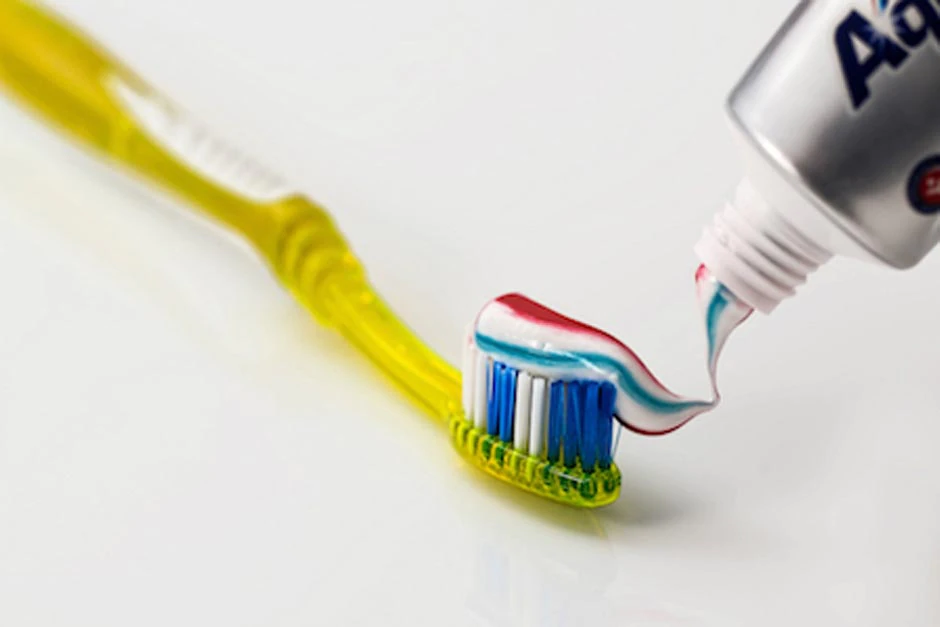 As a general rule, you should replace your toothbrush every 3 months. Over time, bristles become frayed and less effective at removing plaque and debris from your teeth and gums.
However, you may need to replace your toothbrush sooner if:
- The bristles look worn, bent, or splayed
- You’ve recently been sick (cold, flu, or infection)
- The toothbrush has been dropped on an unclean surface
- You notice it doesn’t feel as effective when brushing
A fresh toothbrush ensures better cleaning performance and helps maintain healthy gums and teeth.
Different Types of Toothbrushes
There are several types of toothbrushes available, and the best choice often comes down to personal preference and dental needs.
Manual Toothbrushes
Manual toothbrushes are simple, effective, and widely available. When used with proper technique, they can clean teeth very well.
Electric Toothbrushes
Electric toothbrushes use oscillating or vibrating heads to help remove plaque more efficiently. Many patients find they make it easier to maintain consistent brushing habits and achieve a deeper clean.
Soft vs. Medium Bristles
Most dental professionals recommend a soft-bristled toothbrush, as it is gentle on enamel and gums while remaining effective at plaque removal.
How to Make Your Toothbrush Last (Safely)
While toothbrushes do need regular replacement, proper care can help keep them clean and effective between changes. After each use of your toothbrush, our dentist recommends the following:
- Rinse thoroughly with water to remove toothpaste and debris
- Shake off excess water
- Store upright in an open-air holder to allow it to dry
When it comes to storing your toothbrush, avoid:
- Storing toothbrushes in closed containers while wet
- Allowing bristles to touch other toothbrushes
- Covering the brush head for long periods (can trap moisture and bacteria)
Toothbrush Travel Tips
When traveling, it’s important to keep your toothbrush clean and protected without exposing it to excess moisture.
- Use a ventilated travel case rather than a sealed one when possible
- Let the toothbrush dry before placing it in a case
- Avoid storing it near toiletries that may leak or contaminate it
- Replace it after long trips if hygiene conditions are uncertain
Signs It’s Time for a New Toothbrush
Even if you’re tracking the 3-month guideline, it’s helpful to watch for visual and functional signs that it’s time for a replacement. Here's what to look for:
- Frayed or bent bristles
- Discoloration or buildup on the brush head
- A “worn out” feel while brushing
- Reduced cleaning effectiveness
If you notice any of these, it’s best to switch to a new toothbrush right away.
A Small Habit That Makes a Big Difference
Replacing your toothbrush regularly is a simple step that supports healthier gums, fresher breath, and more effective daily cleaning. Combined with proper brushing technique and routine dental visits, it plays an important role in maintaining long-term oral health.
If you have questions about your brushing routine or oral hygiene tools, the team at Jay Zimmerman Dentistry is always happy to help during your next visit!
