
A dental crown can restore a tooth that has been weakened by decay, damage, or a previous dental procedure. Once it is in place, it covers the visible portion of the tooth, helping protect it while restoring its shape, strength, and appearance.
Although crowns are made from durable materials such as porcelain, ceramic, metal, and zirconia, they are not indestructible. The natural tooth underneath can still develop decay, and the crown itself can become worn, loose, or damaged over time.
Good aftercare plays an important role in keeping your restoration comfortable and functional. Whether you recently received a crown or have had one for years, a few consistent habits can help protect it.
At Jay Zimmerman Dentistry in Mountainside, NJ, Dr. Jay Zimmerman offers custom dental crowns to repair damaged teeth and restore everyday function. Here's what to expect after treatment and how to care for your crown.
What to Expect After Getting a Dental Crown
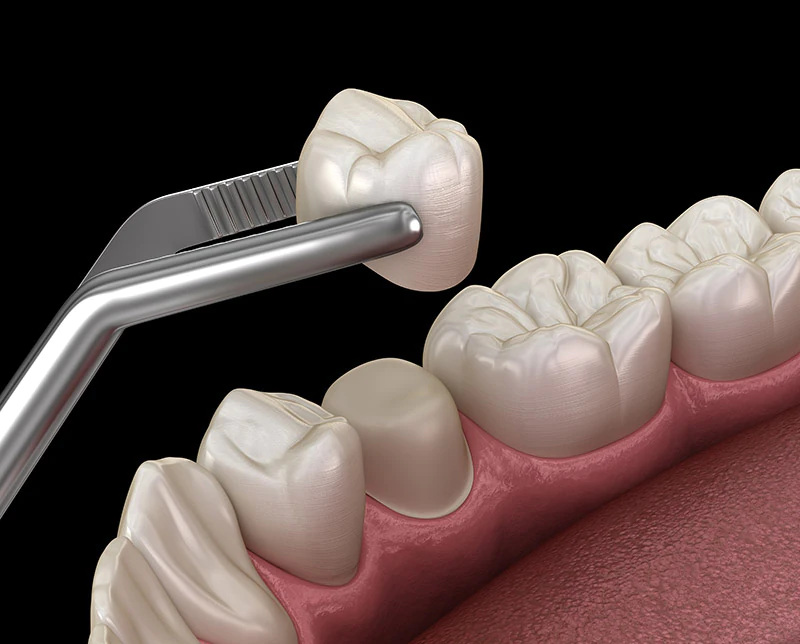 It is normal for your mouth to feel a little different after crown treatment. Your tooth and surrounding gum tissue may need time to adjust, particularly if the procedure involved significant preparation or treatment of a damaged tooth.
Temporary Sensitivity
Some patients experience mild sensitivity to hot, cold, or pressure after receiving a crown. This can happen because the tooth has been prepared and the surrounding tissues may be temporarily irritated.
Sensitivity should generally improve as the area settles. If discomfort becomes more intense, lingers, or does not gradually improve, contact your dentist.
Gum Tenderness
The gum tissue around a newly placed crown may feel slightly tender. This is often temporary, especially if the area was manipulated during treatment. Continue brushing gently along the gumline to keep the area clean.
A Different Bite Sensation
Your new crown may feel unfamiliar at first. However, it should not feel noticeably higher than your other teeth or cause pain when you bite down.
If your bite feels uneven or you find yourself hitting the crown first when chewing, contact the office. A small adjustment may be needed to help the crown fit comfortably with your natural bite.
What If You Have a Temporary Crown?
Some crown procedures involve a temporary restoration while the permanent crown is being made. A temporary crown protects the prepared tooth and helps maintain appearance and function in the meantime.
Temporary crowns are not as strong or secure as permanent restorations, so a little extra care is important.
Until your permanent crown is placed:
- Avoid sticky foods such as caramel, taffy, and chewing gum.
- Try not to chew hard foods on the temporary crown.
- Chew on the opposite side when possible.
- Brush gently around the crown.
- Floss carefully, sliding the floss out rather than pulling it upward if your dentist recommends that technique.
If the temporary crown becomes loose or falls off, contact your dental office for instructions. Do not simply leave the prepared tooth unprotected until your next scheduled visit.
How to Care for a Permanent Dental Crown
Once your permanent crown is in place, you can return to most normal activities. The key is to care for the crown and the natural tooth underneath it.
Brush Twice a Day
Brush twice daily with fluoride toothpaste and a soft-bristled toothbrush. Pay attention to the gumline around the crown, where plaque can accumulate.
A crown cannot develop a cavity, but the natural tooth near its edges can still decay. Keeping this area clean helps protect the tooth and the restoration.
Clean Between Your Teeth Every Day
Flossing is just as important around a crowned tooth as it is around natural teeth. Plaque can collect between the crown and neighboring teeth, increasing the risk of gum inflammation and decay along the crown margin.
If you have difficulty cleaning around the restoration, ask your dentist or hygienist to demonstrate an appropriate technique.
Keep Up With Dental Checkups
Routine dental visits allow your dentist to check the condition of your crown, surrounding gums, and natural tooth structure. Your dentist can look for signs of wear, damage, loose margins, or decay that may not be obvious at home.
Professional cleanings also help remove plaque and buildup from areas that are difficult to reach with a toothbrush.
Habits That Can Damage a Dental Crown
Crowns are designed to handle everyday chewing, but certain habits can place excessive stress on them.
Chewing ice or hard objects: Biting down on ice, hard candy, popcorn kernels, or other very hard items can chip or fracture a crown.
Using your teeth as tools: Avoid opening packages, tearing tags, or biting objects that are not food. These habits can damage both crowns and natural teeth.
Eating sticky foods: Sticky candy and chewy foods can sometimes place stress on restorations, particularly if a crown is already loose or damaged.
Grinding or clenching: Repeated pressure from teeth grinding can wear down or damage a crown over time. If you wake up with jaw soreness or suspect you grind your teeth at night, talk with your dentist about whether a custom nightguard may help.
You do not need to avoid every crunchy food forever, but being mindful of excessive force can help protect your restoration.
When Should You Call Your Dentist?
A crown should feel stable and comfortable during everyday activities. Contact your dentist if you notice:
- Persistent or worsening sensitivity
- Pain when biting or chewing
- A crown that feels loose or shifts
- A visible crack, chip, or rough edge
- Food repeatedly getting caught around the crown
- Swelling, bleeding, or tenderness around the gumline
- A change in how your teeth come together
If a crown comes off, keep it in a safe place and contact your dental office promptly. Avoid trying to permanently reattach it yourself with household adhesives.
Even if the crown looks intact, discomfort underneath it may indicate an issue with the natural tooth or surrounding tissues. An examination can help determine what is happening.
Custom Dental Crowns at Jay Zimmerman Dentistry
At Jay Zimmerman Dentistry, Dr. Jay Zimmerman provides custom crowns to restore teeth affected by cracks, chips, extensive decay, or damage after root canal therapy. Crowns may also be used to support dental bridges or restore dental implants.
Dr. Zimmerman's practice offers several crown materials, including porcelain, porcelain fused to metal, ceramic, zirconia, and BruxZir. The best option depends on the location of the tooth, the forces it experiences, your aesthetic preferences, and your individual needs.
Dr. Zimmerman takes a personalized approach to restorative care, helping patients understand their options and choose a restoration that supports both function and appearance.
Protect Your Crown With Consistent Care
A dental crown can serve you for many years, but its longevity depends on how well it is maintained and the condition of the natural tooth underneath. Brushing, flossing, regular dental visits, and avoiding habits that put excessive pressure on your teeth all contribute to long-term success.
If your crown feels uncomfortable, has become damaged, or simply needs an evaluation, contact Jay Zimmerman Dentistry in Mountainside, NJ. Our team can help you keep your restoration in good condition and address concerns before they become more complicated.
